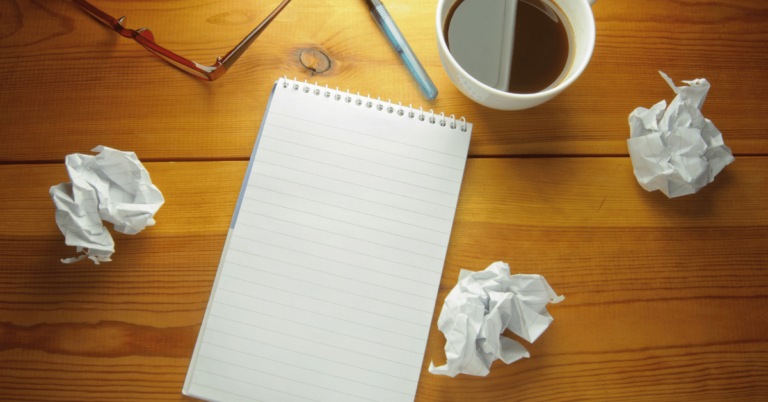
When writing feels particularly hard, no one needs a “best writing tools” list that assumes you’re motivated, focused, and showering in clarity.
When you’re not, and your work still needs to happen, the real issue is often resistance, fear, or plain exhaustion.
As a sensitive writer, I’ve learned that to do my job better, I have to reduce friction as much as possible, so writing can happen without violence against myself. Everything a project and write away tha makes it easier to pick upThese are the tools that help me do that. Not because they’re the best on paper, but because they make writing feel possible again.
Note: Some links in this post are affiliate links, shared for convenience. I only include things I actually use and find helpful.
When sitting at my desk feels like too much
Some days, my office is a mess.
Other days, I just can’t sit straight and stare at a screen like I’m “working properly”.
At home, I usually work on a laptop with an extra monitor, dozens of tabs open, references everywhere. That setup is great when I have energy. But when I don’t, I need a minimalist version of my work environment.
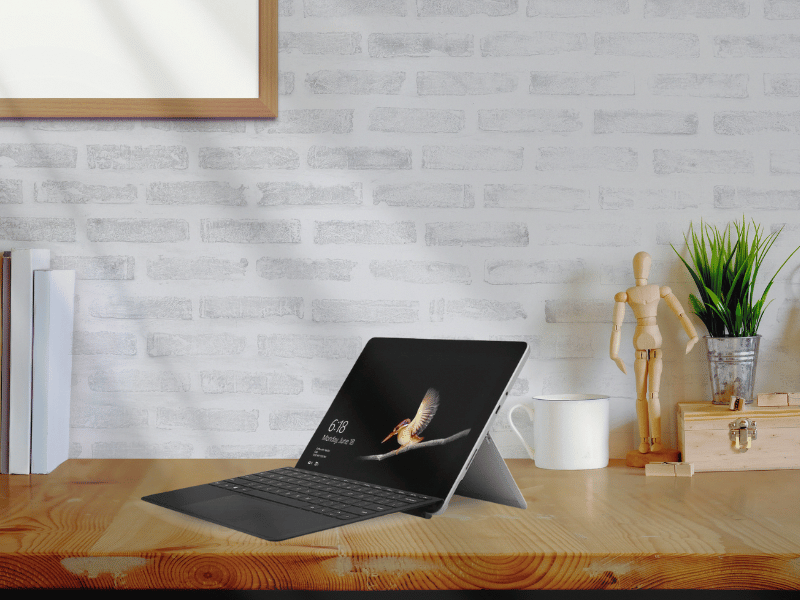
I wanted a small, functional device without spending a fortune, so I researched the market. That’s where my Surface Go 2 comes in.
It’s basically a small Windows tablet that turns into a tiny laptop with a keyboard. I bought mine refurbished, and it’s one of the best writing-related purchases I’ve made. It fits in most of my handbags and small backpacks, which means I can write on the couch, in bed, or on the go without turning it into a whole production. When I want to get out and write at a cozy café, I can just grab it and go.
It runs Scrivener, Notion, and all my regular work tools. It’s not NASA-tier, but it doesn’t need to be. It even runs Stardew Valley and Spirit City on Steam. I can’t do twenty things at once on it, and that’s part of why it helps. Fewer tabs, fewer distractions, more focus.
I don’t use it as a replacement for a full laptop, but it lets me work comfortably with a keyboard and mouse.
I use it as a way to make writing feel smaller and easier to approach. It cost me around $200. An iPad costs several times more and wouldn’t give me the same workflow.
When I want to write without carrying tech around
Sometimes even a small device feels like too much.
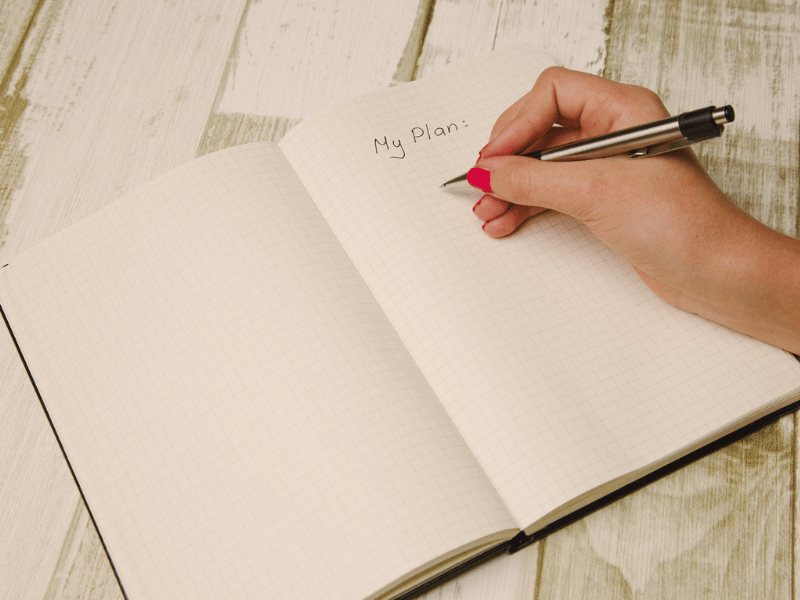
On those days, I grab a notebook and a pen and go offline for a while. Writing in the park, at the beach (perks of living in a coastal country), or anywhere that lets my nervous system breathe a little.
There’s something about handwriting that removes the pressure to be coherent or polished. No formatting. No tabs. No notifications. Just thoughts landing where they land.
This is especially helpful when I need to reconnect with why I write, not just what I’m producing. I used to say I think with my hands. I don’t really think things through until I write them out, by hand. It feels like it’s just me and my thoughts.
When I need to keep projects separate and my brain organized
I use different tools for different kinds of work, because mixing everything together is a fast track to overwhelm.
For content planning, publishing, and freelance work, I use Notion. I keep projects in separate spaces and access them from all my devices. It works well as a big-picture container for ideas, timelines, and logistics.
For book projects, I use Scrivener.
Scrivener lets me hold entire worlds in one place: encyclopedias, characters, multiple drafts, notes, and messy versions I’m not ready to look at yet. I tried doing this in Notion, but it never quite worked the same way. Scrivener understands long-form writing in a way other tools don’t.
I sync it through Dropbox. It’s not the most elegant solution in the world, but it works. And sometimes “works” is enough.
For client deliverables, I use an old Microsoft Office 2019 license. It’s pre-AI, not subscription-based, and doesn’t come with copilots scraping my work. I draft in Notion, then move everything into Word for formatting and brand consistency.
I like good deals. I like paying once and owning my tools. Remember when that was normal? Yeah. Same.
When I need permission, not productivity
Tools don’t just organize work. They shape how safe writing feels.
When I’m blocked or doubting myself, I try to surround myself with voices that remind me writing doesn’t have to be perfect to be meaningful.
Lately, I’ve been listening to The Creative Act on audiobook, and it’s been one of those experiences where nothing feels new, but everything feels articulated. It puts words to things I already sensed. It reminds me that creativity isn’t something to extract from yourself, but something you stay available for.
I’ve also written about this myself, because I don’t share things I haven’t tested first. Posts like The Art of Pooping on the Page or Golden Era Bingo started as journal entries before they became articles. They exist because I needed those reminders too.
Authenticity matters to me. If something doesn’t work in my real life, it doesn’t belong here.
When I need accountability without pressure

A note on limits, bodies, and rough seasons
Does following this list guarantee that writing will always come easily? No. Unfortunately not.
Some periods of life are heavier than others, and during those times, writing might slow down or feel harder to access. That doesn’t mean you’re doing something wrong. Sometimes it just means you’re human.
What I do believe is that listening regularly to your body and your mind helps you notice when to push gently and when to stop. Over time, that kind of attention builds trust with yourself. And trust is what brings creativity back, more reliably than force ever could.
You’re not just your output.And you’re not just your body either. Your body has limits and certainly wasn’t designed for hustle culture or constant optimization. For every gym that exists, there should probably be an equivalent space dedicated to mental health.
Writing, reflecting, and listening to yourself don’t replace certified psychotherapy. That kind of support is fundamental. But writing can still help you notice, and process, and stay connected to yourself when things feel foggy. Sometimes that’s just what you need.

Newsletter
Did you like this post? Join now for the latest news and exclusive tips!